
No products in the cart.
Shop all products
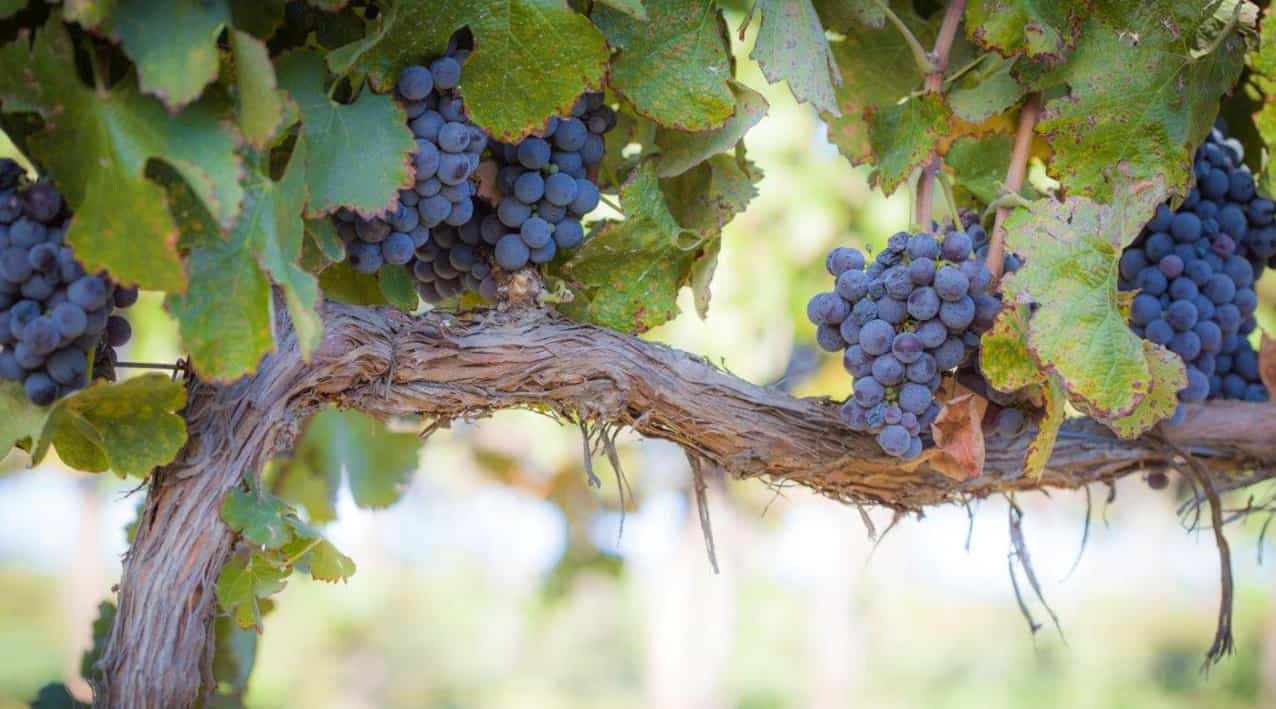
The structure of the vine is important in wine production, as the different parts of the plant affect the growth of the grapes, the taste and the quality of the final wine. The vine is a climbing plant that belongs to the Vitaceae family, of which there is a wide variety, each with its own unique characteristics and flavours.
The basic configuration of the vine has these elements:
Roots:
The roots are underground and are responsible for absorbing water and nutrients from the soil and supplying them to the plant. The roots also help the plant to anchor itself in the soil and provide stability. They can extend from 50 cm to 6 m, seeking water and nutrients thanks to a layer of protective cells called the epidermis, which also protects them from diseases. It is necessary to distinguish between older roots, with a woody texture, and other thinner ones that increase the absorption surface.
Trunk:
The trunk is the main part, supporting the branches and leaves. It is the central structure of the plant that transports nutrients from the roots to the leaves and grape clusters. The trunk can also store nutrients and water for use in times of scarcity. The bark of the trunk is thick and tough to protect the plant from disease and damage.
Arms:
Arms are the extensions of the trunk that support the leaves and clusters, they are also responsible for transporting nutrients and distributing vegetation and fruit. The arms of the vine are main branches of the vine plant that grow from the trunk and support the grape clusters. These branches develop from the young, flexible shoots, which grow during the growing season.
The arms of the vine are important because they determine the structure and shape of the plant, and also influence the quality and quantity of grape production. Vine arms are usually pruned during the winter season to control their growth and ensure that the plant has the proper shape and structure for grape production.
The number and length of the vine’s branches can vary depending on the grape variety, the climate and the type of soil in which the vine is grown. In general, mature vines usually have several main branches that branch out into secondary and tertiary branches, and which can be several metres long.
Shoots:
The one-year-old stems are called shoots, vine shoots, shoots… depending on the location, and originate each year from a bud from the previous year. They are made up of a succession of nodes and internodes that carry the buds, leaves and tendrils, which are the elements that hold the vines, for example, to the wires of the trellises and the bunches.
Shoots are young, flexible branches of the vines that grow from the trunk and the main branches of the plant. These branches are important for the cultivation of the vine, since they are the ones that carry the leaves and the grapes.
During the winter, the shoots are pruned to maintain the size and shape of the plant, and to promote the growth of new branches in the following growing season. Pruned shoots can also be used as fuel material in the production of heat and renewable energy, as they are high in lignin and cellulose.
Leaves:
Leaves on the grapevine have several important functions for plant health and growth, including photosynthesis. Leaves are the main organs of photosynthesis, the process by which plants convert sunlight into energy. Chlorophyll is found in the leaves, which absorbs sunlight and uses it to produce glucose and oxygen from carbon dioxide and water. They are also responsible for plant respiration, a process by which energy is released from the glucose produced by photosynthesis. Plant respiration requires oxygen and produces carbon dioxide.
The leaves of the vine also play an important role in the plant’s transpiration, which is the process by which water is lost through the stomata (small pores on the surface of the leaves). Transpiration is important for the plant’s water balance and for regulating its temperature. Leaves store nutrients, such as carbohydrates, proteins and minerals, which are used during the plant’s growth and reproduction.
In the vine, leaves are especially important for the production of high-quality grapes. Leaves exposed to direct sunlight can protect grapes from overexposure to the sun and therefore prevent discoloration or dehydration. In addition, leaves can affect the quality of the grape’s flavor and texture by influencing the fruit’s sugar and acidity levels.
Thumbs:
They are responsible for the plant’s aerial growth, they grow from the shoot left when pruning the vine, and they will be responsible for creating the new shoot for the following season.
Bunches:
The vine is a hermaphrodite species, which is why it self-pollinates. Its flowers are grouped in inflorescences, each flower becomes a berry and the inflorescence becomes bunches, which can be of different shapes and sizes depending on the grape variety and the terroir where they are grown. At Bodegas Federico, grapes of the Tempranillo variety, an early-ripening grape, medium-sized with thick, blue-black skin. It is characterized by having fruity flavors, such as cherry and plum, forest fruits and earthy and leather notes.
Each part of the vine has its particular mission and all together they provide a fruit that once harvested results in exceptional wines, such as those of Bodegas Federico, red wines from the Ribera del Duero.