
No products in the cart.
Shop all products
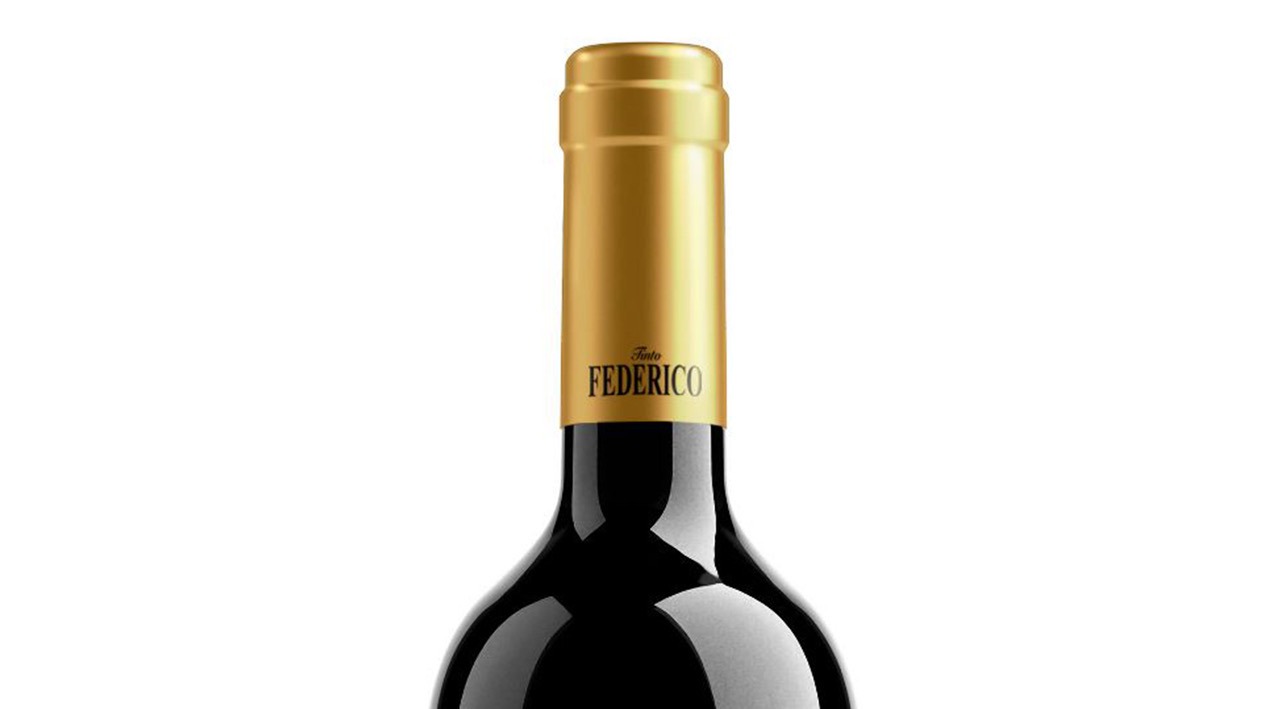
The capsule, along with the label, are the distinguishing features of the wine. The capsule is the cover that surrounds the top of the bottle and covers the cork and part of the neck of the bottle. The encapsulation of wine bottles does not occur until the end of their aging period, when they are ready for sale.
The capsules to protect the cork of wine bottles can be made of different materials: lead, aluminum, tin, complex material and PVC.
Its main function is to act as a security seal that guarantees that the bottle has not been opened, protects the cork from humidity, dryness, dust, insects, and serves to identify the winery and the wine.
The story of how the wine capsule came into use is quite curious. At the Vienna court in the 18th century, French wines arrived in wooden barrels. The wine left over from the meals of the king and his nobles was kept in bottles. glass so that it could be drunk at a later time. Those in charge of managing and storing the wine also wanted to taste what French wine tasted like. Once they had enjoyed drinking the wine, they would make up for it with inferior wine or water.
When the king discovered the deception of his servants, he decided to seal the bottles with wax and mark them with the royal seal. This practice spread throughout the rest of Europe, since apparently there were many those who wanted to drink for free to the king’s health.
A few years later, in Hungary, the tin capsule for wine bottles was invented, a system that is still used today.
All wines from Bodegas Federico: Tinto Federico Roble, Tinto Federico Crianza, Tinto Federico Reserva and Tinto Federico Gran Reserva, have a capsule to protect the cork and the wine, with the name and logo of the Winery.