
No products in the cart.
Shop all products
We are used to the fact that the bottle of wine we buy or the one we are served in restaurants is 750 ml. This wine bottle format has become standard due to its ease of bottling, transport, storage and service. From the 1960s onwards, 375 ml and 500 ml formats appeared, to provide a solution for consumption in restaurants at tables for only one diner and later, probably when the new regulations on the consumption of alcohol, to allow two people to drink wine during a meal or dinner.
All of these formats have the advantage, compared to wine in magnum bottles (1,500 ml), of ease of service, since a magnum bottle weighs more and sometimes wine cabinets do not have the capacity for this format. Except for these two advantages, the magnum bottle is an ideal format to preserve wine in optimal conditions and ensure a slow process in the evolution of the wine in the bottle.
Wine in larger bottles ages more slowly, the basis is in the proportion between the volume of wine and its enemies, such as heat and air. The air space in the neck (between the cork and the wine) of the magnum bottle and the 750 ml bottle is the same, but in the magnum bottle there is more quantity of wine, with which the air itself is distributed more, it is less oxygenated and predisposed to oxidation.
Regarding temperature, more wine better resists changes since it takes longer to change temperature. Another determining factor is how temperature and air affect the cork. Since the cork of a 750 ml bottle is the same size as that of a magnum, changes in the cork will take longer to affect the wine content of the bottle if it is twice as large.
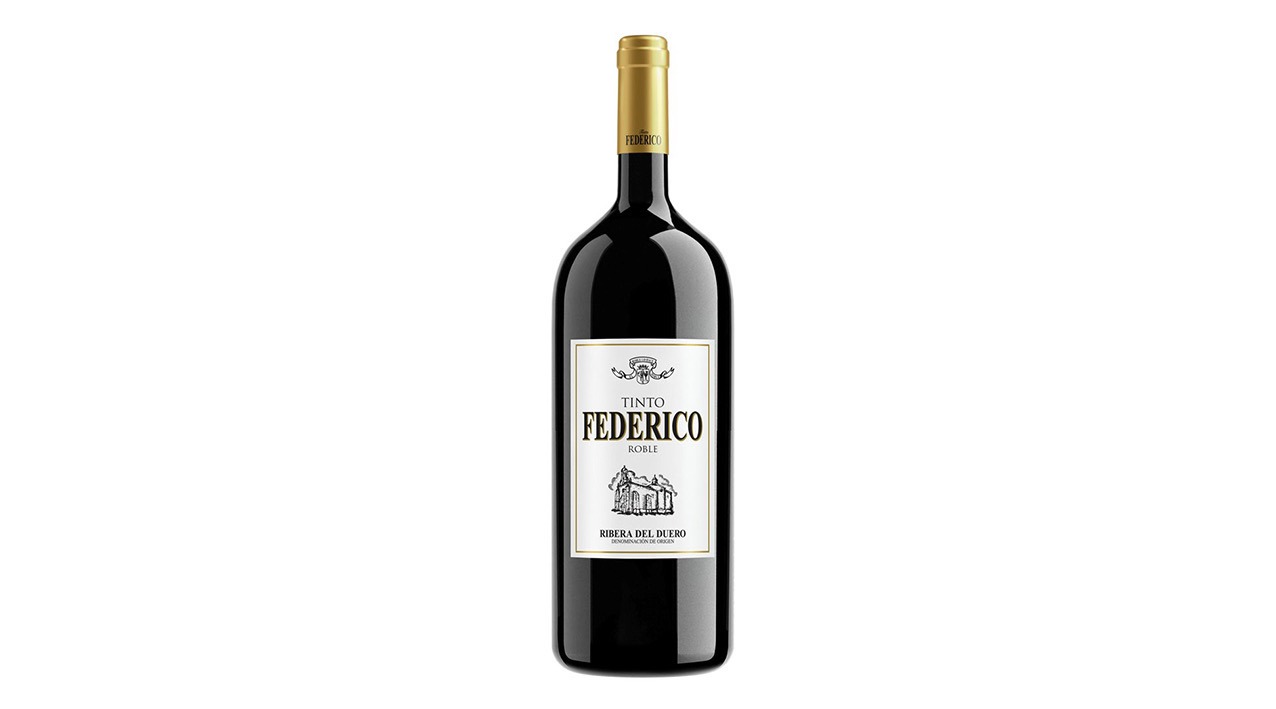
The magnum bottle is normally associated with crianza, reserva or Gran Reserva, but the truth is that the process of improvement in the bottle also affects wines with less aging in barrels. An example is Tinto Federico Roble magnum format, aged for 8 months in American oak barrels, synonymous with a guarantee of high quality. .