
No products in the cart.
Shop all products
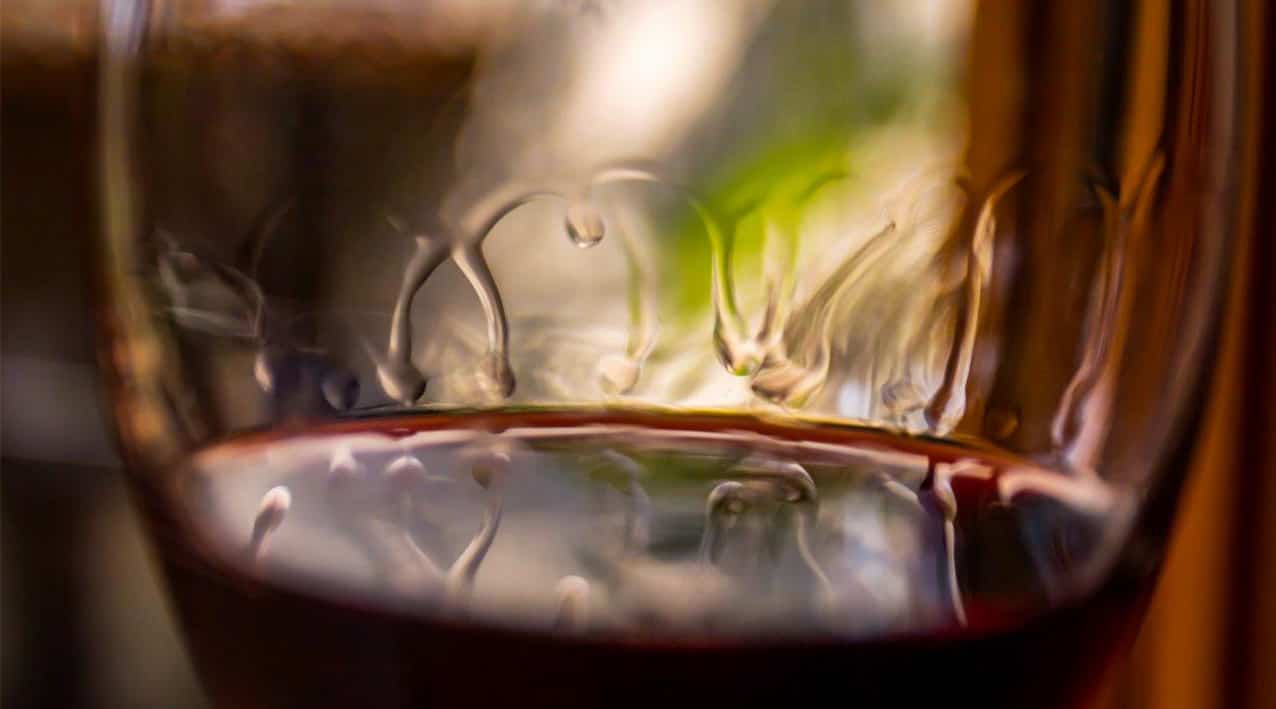
In a wine tasting there are 3 clear phases, the visual, the olfactory and the gustatory. Within the visual stage, the color, the transparency, its elaboration are observed… and something that A lot of attention is usually paid to the tears of wine, those drops that slide down the wall of the glass when we shake it, and which are directly related to the alcoholic components of wine, ethanol and glycerol.
Why do professional wine tasters perform the ritual of shaking the wine cup? Among other things, to be able to observe the tears of the wine, since they provide them with a lot of information about the wine they are going to taste, regardless of the fact that to discover the properties and character of a wine, it is essential to taste it.
A slow-falling tear and A dense tear indicates that the wine is full-bodied, unctuous and has a high alcohol content. A light tear, which comes off quickly, indicates that it is a wine with a low alcohol content and little body.
Wine tears are formed because alcohol is more volatile than water and a difference in tension and density occurs on the walls of the glass. In Germany, this effect is called Gothic windows and in England and France they are called legs.
There are also external agents that can influence the quality and density of the wine’s tears, such as a sudden change in temperature between the wine and the glass, the glass of the glass, etc. even any soap residue it may have.
Federico Reserva Red Wine, from Bodegas Federico, has a thick tear when shaking the glass; It is a full-bodied, powerful, well-structured, tannic wine with a long persistence and a very long aftertaste.
But what is really important when enjoying a wine is to do so in good company and to shed tears of joy. that is.